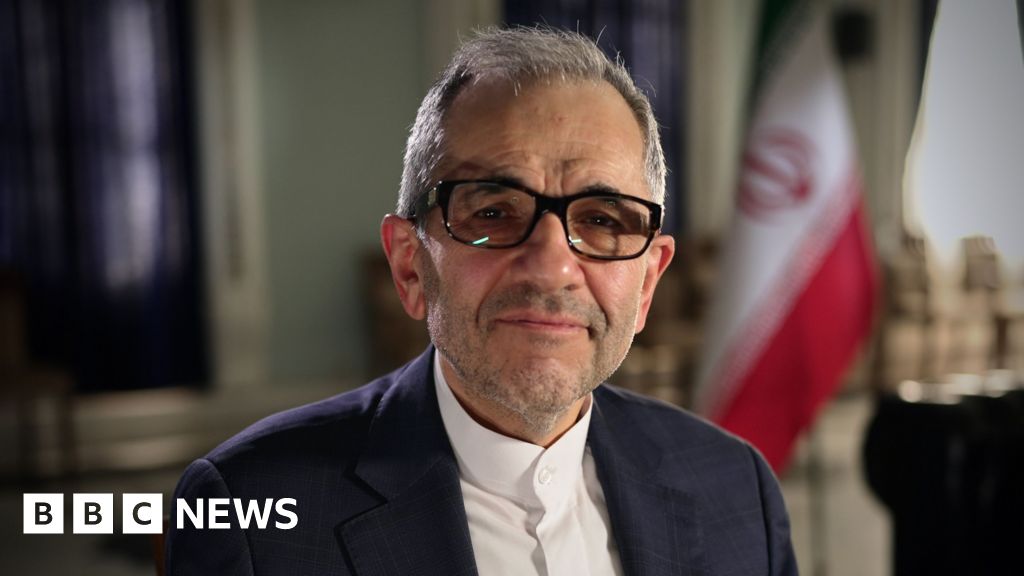
Iran ready to discuss compromises to reach nuclear deal, minister tells BBC in Tehran
Transparency Analysis
Primary Narrative
Iran's deputy foreign minister signals willingness to compromise on nuclear deal negotiations while placing responsibility on the United States to demonstrate commitment to reaching an agreement.
⚠ Conflicts of Interest
BBC is a state-funded British broadcaster; UK has geopolitical interests in Iran nuclear negotiations as signatory to JCPOA
Evidence: BBC funding structure and UK's role in nuclear negotiations
Who Benefits?
Iran
Positions Iran as reasonable negotiator willing to compromise, potentially improving international perception and negotiating leverage
United States
If U.S. reciprocates, could lead to sanctions relief or normalized relations benefiting U.S. diplomatic interests
Framing Analysis
Perspective
Iranian government official's viewpoint is centered; statement presented as direct quote from Majid Takht-Ravanchi
Tone
Language Choices
- "ready to discuss compromises" - presents Iran as accommodating
- "ball was in America's court" - frames U.S. as responsible party for next step
- "prove that they want to do a deal" - suggests U.S. sincerity is in question
Omitted Perspectives
- U.S. government response or perspective on Iran's willingness to compromise
- Perspectives from other JCPOA signatories (UK, France, Germany, Russia, China)
- Skeptical analysis of whether Iran's stated willingness matches past negotiating behavior
Entity Relationships
Takht-Ravanchi is Iran's deputy foreign minister, a government official | Evidence: Identified as 'Iran's deputy foreign minister'
Takht-Ravanchi serves as Iran's deputy foreign minister | Evidence: Title given in article: 'Iran's deputy foreign minister'
Factual Core
Iran's deputy foreign minister Majid Takht-Ravanchi stated to the BBC that Iran is willing to discuss compromises on nuclear negotiations and that the U.S. must demonstrate commitment to reaching an agreement.
Full Article
Majid Takht-Ravanchi, Iran's deputy foreign minister, tells the BBC's Lyse Doucet that the ball was "in America's court to prove that they want to do a deal".