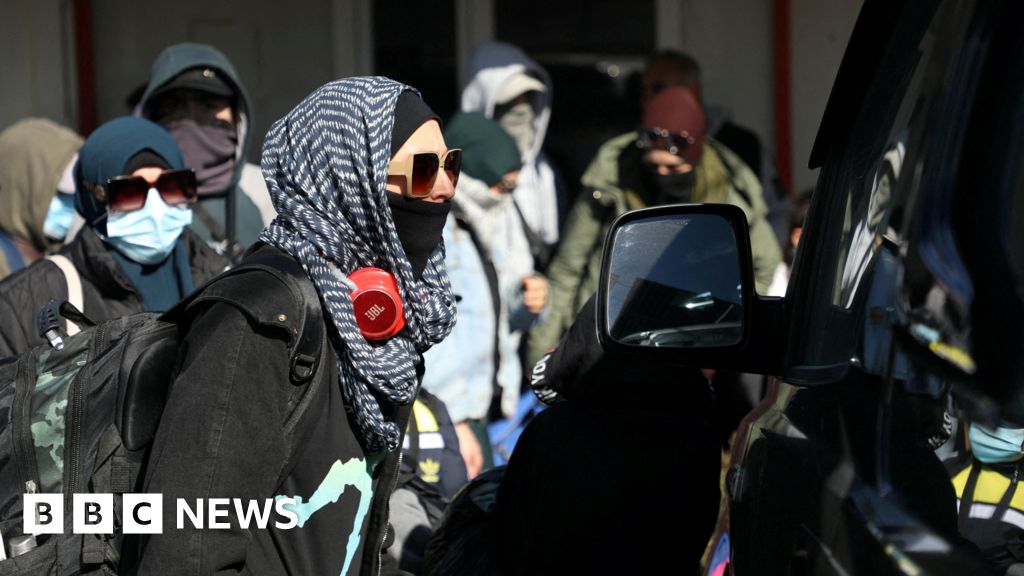
Australian IS families in Syria camp turned back after leaving for home
Transparency Analysis
Primary Narrative
Australian authorities have prevented a group of 34 women and children with Islamic State family connections from returning home after they attempted to leave a Syrian refugee camp where they have been detained for nearly seven years.
Who Benefits?
Australian Government
Maintains security-focused policy narrative that avoids domestic political liability from repatriating IS-linked individuals
Framing Analysis
Perspective
Centered on Australian government policy and security concerns; sympathetic framing toward the detained families' humanitarian situation
Tone
Language Choices
- "held in the Roj camp" - suggests detention rather than refuge
- "family links to Islamic State group" - establishes connection without specifying nature or degree of involvement
- "turned back" - passive construction obscures who made the decision
Omitted Perspectives
- Detailed explanation of Australian government's stated security rationale for the turnback decision
- Perspective from Syrian authorities or camp administrators
- Specific details on any security threats these individuals may pose
Entity Relationships
Australian Government controls repatriation policy for citizens with IS family links | Evidence: Article states group was 'turned back' by implication of government authority over border and repatriation
Australian authorities made decision to prevent the group from leaving the camp and returning to Australia | Evidence: Article states group was 'turned back' implying Australian government intervention in their departure
Factual Core
A group of 34 women and children with family connections to the Islamic State have been detained in Roj camp in Syria for approximately seven years and were prevented from returning to Australia after attempting to leave the camp.
Full Article
The group of 34 women and children with family links to Islamic State group have been held in the Roj camp for nearly seven years.