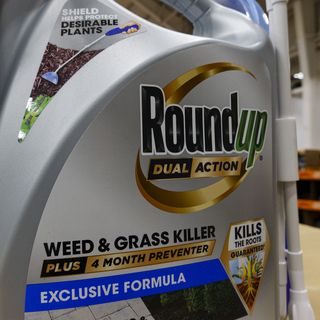
Bayer reaches $7.25B settlement over Monsanto's Roundup accusations
By Nathan Bomey
Transparency Analysis
Primary Narrative
Bayer settles $7.25 billion in Roundup cancer lawsuits, with favorable terms that hedge against potential Supreme Court risks.
⚠ Conflicts of Interest
Capstone analyst Walker Livingston's assessment that settlement is 'highly favorable to Bayer' may reflect institutional bias toward corporate clients or financial sector alignment
Evidence: Livingston quoted as saying terms 'are highly favorable to Bayer and serve as a hedge against the downside risk' and estimating 80% likelihood of company prevailing
Who Benefits?
Bayer
Settlement structure provides legal certainty and limits future liability while stock market rewards the announcement; analyst notes terms are 'highly favorable' to company
Capstone Research
Provides analyst commentary that frames settlement positively for Bayer, gaining visibility and influence in financial media
Framing Analysis
Perspective
Corporate/investor perspective; article centers Bayer's strategic position and financial outcomes
Tone
Language Choices
- 'Between the lines' framing suggests insider knowledge of negotiation dynamics favoring Bayer
- 'Highly favorable' language from analyst emphasizes corporate win rather than victim compensation
- 'Unlikely event of an unfavorable Supreme Court ruling' minimizes downside risk perception
Omitted Perspectives
- Plaintiffs' perspective on settlement adequacy relative to health damages
- Public health implications of Roundup remaining on market
- Environmental or agricultural worker exposure concerns
- Comparison of per-claimant payout to original $10B deal
Entity Relationships
Bayer acquired Monsanto in 2018, gaining control of Roundup product | Evidence: Bayer 'acquired Roundup when it bought Monsanto in 2018'
Bill Anderson is CEO of Bayer | Evidence: Referenced as 'CEO Bill Anderson'
Walker Livingston is analyst at Capstone Research | Evidence: 'Capstone analyst Walker Livingston wrote Tuesday in a research note'
Factual Core
Bayer settled $7.25 billion in Roundup cancer lawsuits covering 21 years of claims, replacing a failed $10 billion 2020 deal, while awaiting a Supreme Court ruling on the product's regulatory status.
Full Article
Bayer has agreed to a $7.25 billion deal to settle tens of thousands of lawsuits that its weedkiller Roundup caused cancer. The big picture: Bayer — which acquired Roundup when it bought Monsanto in 2018 — announced Tuesday that it'll compensate people who allegedly suffered non-Hodgkin lymphoma due to exposure to Roundup. The German drug giant and crop science company had originally reached a $10 billion settlement in 2020 that covered short-term claims up to four years — but that deal was later scuttled amid legal scrutiny over the claims process. The new compensation deal covers claims for up to 21 years. The company didn't disclose the average amount expected to be distributed to each recipient. Zoom out: The latest deal comes as Bayer awaits a Supreme Court ruling that CEO Bill Anderson has said could determine whether Roundup stays on the market in the U.S. Anderson told Axios in May that the ruling was critical because the company was facing "crazy regulatory ambiguity" stemming from a dispute between federal and state laws governing the product. Between the lines: The prospect of a pro-Bayer Supreme Court ruling appears to have worked in the company's favor in negotiations. The new settlement terms "are highly favorable to Bayer and serve as a hedge against the downside risk in the unlikely event of an unfavorable Supreme Court ruling," Capstone analyst Walker Livingston wrote Tuesday in a research note. Livingston said it's 80% likely the company will prevail in the case. "A positive ruling on the question before the Supreme Court should largely foreclose present and future claims based on state label-based warning theories," Bayer said in a statement, adding that the settlement will resolve claims "regardless of legal theory." The impact: Bayer's stock rose 6% Tuesday.