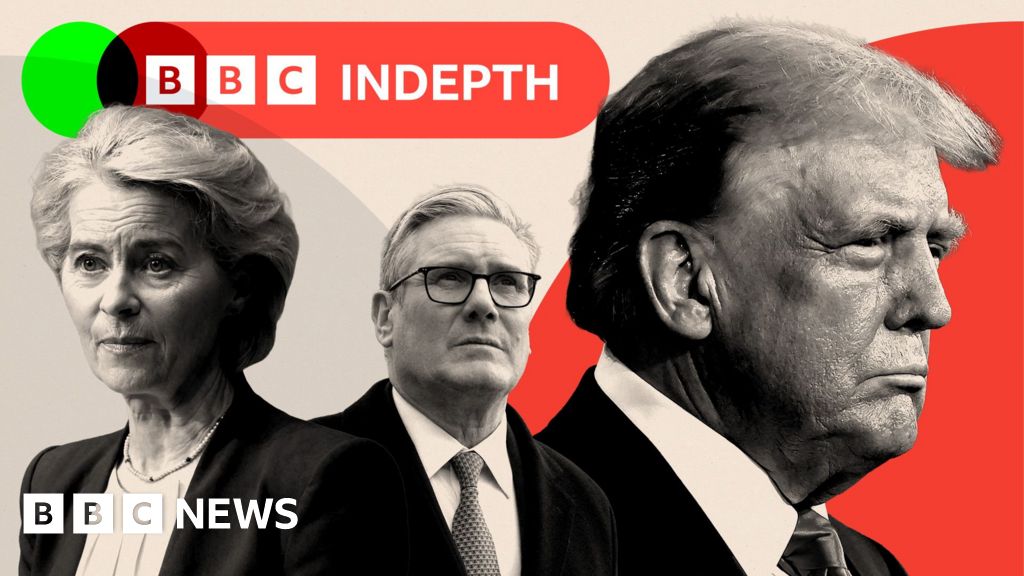
Trump's new world order has become real and Europe is having to adjust fast
Transparency Analysis
Primary Narrative
European nations are reassessing their traditional transatlantic alliances and considering strategic diversification in response to Trump's foreign policy approach
⚠ Conflicts of Interest
BBC as UK state broadcaster may have institutional interest in framing European strategic autonomy favorably given post-Brexit UK positioning
Evidence: Framing emphasizes European agency and adaptation rather than US-led stability
Who Benefits?
European Union member states
Framing positions them as forced to develop independent strategic capabilities and reduce reliance on US security guarantees
Alternative geopolitical partners (China, Russia, India)
Implicit suggestion that European diversification could mean increased engagement with non-Western powers
Framing Analysis
Perspective
European institutional perspective - centered on how European nations must adapt to external US policy changes
Tone
Language Choices
- "new world order has become real" - suggests inevitability and finality
- "having to adjust fast" - implies urgency and reactive posture for Europe
- "traditional alliances" - frames NATO/transatlantic ties as potentially obsolete
Omitted Perspectives
- Trump administration's stated rationale for policy changes
- US perspective on alliance burden-sharing and cost distribution
- Specific details on which Trump policies triggered European reassessment
- Quantitative data on alliance costs/benefits
Entity Relationships
Trump administration's foreign policy decisions are prompting European nations to reassess their strategic positioning | Evidence: "European nations are asking whether traditional alliances can suffice" in response to Trump's policy direction
Factual Core
The article asserts that European nations are reconsidering their alliance strategies, but provides no specific evidence, named sources, or concrete examples to support this claim.
Full Article
European nations are asking whether traditional alliances can suffice, or whether they should be diversifying